How to Start Composting

Transform kitchen scraps and yard waste into black gold for your garden with our comprehensive composting guide

Why Composting Matters

Composting is one of the most impactful actions you can take for your garden and the environment. By composting organic waste, you reduce landfill contributions, eliminate the need for chemical fertilizers, and create nutrient-rich soil that helps plants thrive.

In Virginia's climate, composting is particularly effective. Our warm summers accelerate decomposition, while our distinct seasons provide natural cycles that support the composting process.
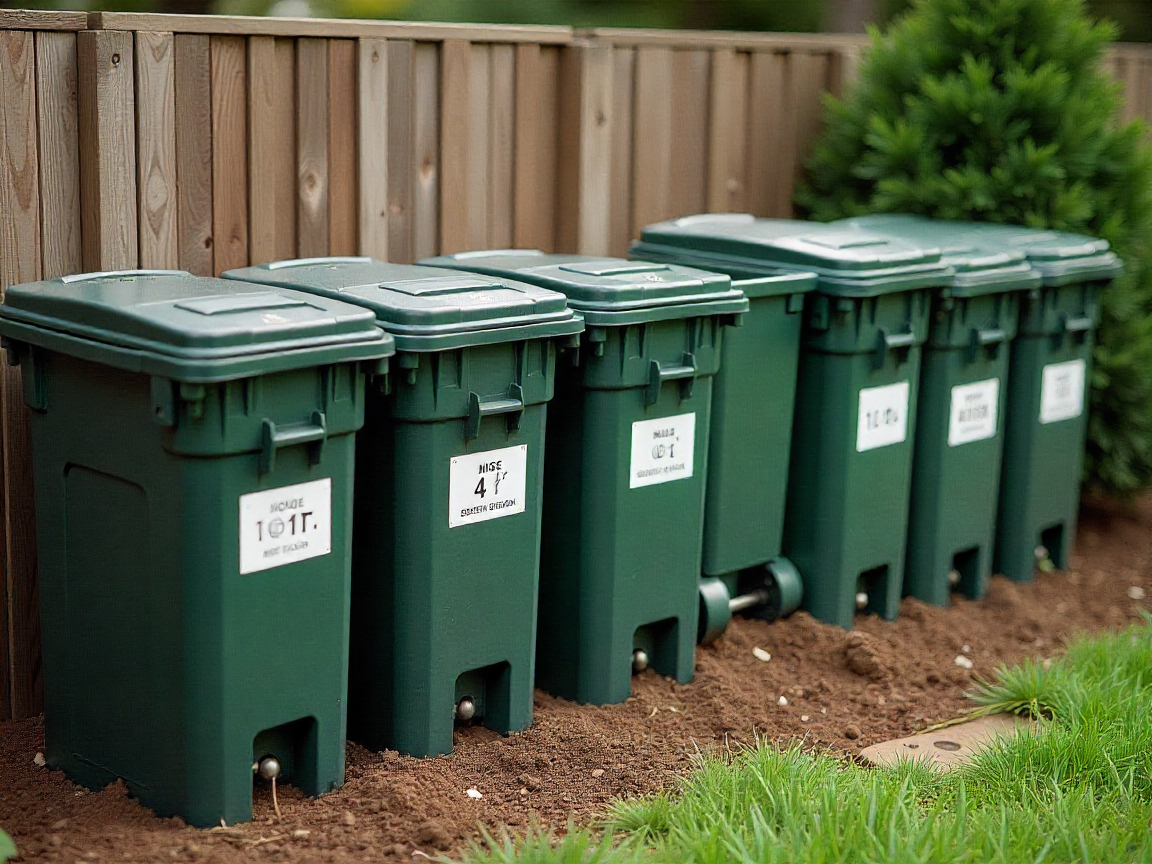
Well-organized backyard composting system with three-bin setup

Benefits of Composting

Enriches Soil

Compost adds essential nutrients and beneficial microorganisms that improve soil structure, water retention, and plant health.

Reduces Waste

Divert up to 30% of household waste from landfills by composting food scraps and yard trimmings.

Saves Money

Eliminate the need to purchase expensive fertilizers and soil amendments from garden centers.

Reduces Emissions

Composting at home reduces methane emissions from landfills and lowers your carbon footprint.

Getting Started: The Basics

01

Choose Your Location

Select a level, well-drained spot with partial shade. Your compost bin should be easily accessible from your kitchen and garden, ideally 3-10 feet from your house.

02

Select a System

Options include enclosed bins, tumbler composters, or simple three-bin systems. Choose based on your space, budget, and how much waste you generate.

03

Gather Materials

Collect both green materials (nitrogen-rich) like food scraps and grass clippings, and brown materials (carbon-rich) like dried leaves and cardboard.

04

Layer and Maintain

Alternate layers of green and brown materials, keep the pile moist like a wrung-out sponge, and turn it regularly to aerate.

What to Compost

Green Materials (Nitrogen)

  • Fruit and vegetable scraps
  • Coffee grounds and filters
  • Tea bags
  • Fresh grass clippings
  • Plant trimmings
  • Eggshells

Brown Materials (Carbon)

  • Dried leaves
  • Shredded newspaper
  • Cardboard
  • Straw or hay
  • Wood chips
  • Sawdust from untreated wood

Avoid Composting

  • Meat, fish, or bones
  • Dairy products
  • Oils or grease
  • Pet waste
  • Diseased plants
  • Treated wood products

Composting Methods

Hot Composting

Fast decomposition (2-3 months) through active management. Requires regular turning and monitoring of temperature and moisture. Ideal for those who want finished compost quickly.

Best for: Large volumes of material, killing weed seeds and pathogens

Cold Composting

Slow, passive decomposition (6-12 months) with minimal effort. Simply add materials as they become available and let nature do the work. Perfect for beginners.

Best for: Low-maintenance approach, small amounts of material

Vermicomposting

Uses worms to break down food scraps indoors or outdoors. Produces nutrient-rich worm castings. Great for apartments or small spaces with limited outdoor area.

Best for: Indoor composting, kitchen scraps only, small spaces

Common Issues and Solutions

Pile Smells Bad

Cause: Too much moisture or green material

Solution: Add brown materials, turn the pile to aerate, and ensure proper drainage

Pile Not Heating Up

Cause: Insufficient nitrogen or pile too small

Solution: Add green materials, ensure pile is at least 3x3x3 feet, and turn regularly

Attracting Pests

Cause: Improper materials or exposed food scraps

Solution: Avoid meat and dairy, bury food scraps in center, use enclosed bin

Too Dry

Cause: Insufficient moisture or too much brown material

Solution: Water the pile, add green materials, cover to retain moisture

Seasonal Composting in Virginia

Spring

Prime time to turn and aerate your pile. Add fresh grass clippings and garden trimmings. Start new piles with winter's accumulated materials.

Summer

Monitor moisture levels closely as heat accelerates decomposition. Water regularly and provide shade if needed. Your compost will mature quickly.

Fall

Collect fallen leaves for brown material stockpile. Layer leaves with green materials. Prepare your pile for winter by insulating with extra leaves.

Winter

Composting slows but doesn't stop. Continue adding materials. Insulate your pile with straw or leaves to maintain some activity during cold months.

Need Expert Guidance?

Starting a composting system can feel overwhelming. Our composting consultation service provides personalized guidance for your specific situation, space, and goals. We'll help you choose the right system, troubleshoot issues, and ensure your composting success.

Schedule Consultation

Start Composting Today

Join the growing community of Virginia gardeners who are reducing waste and enriching their soil through composting.

Get Started